Topic

Heart Rate Variability Training

HRV reflects cardiovascular adaptability. HRV biofeedback training (including resonance-frequency breathing) is associated with benefits in hypertension, anxiety, sleep and cognitive performance.

View HRV evidence (143 studies)
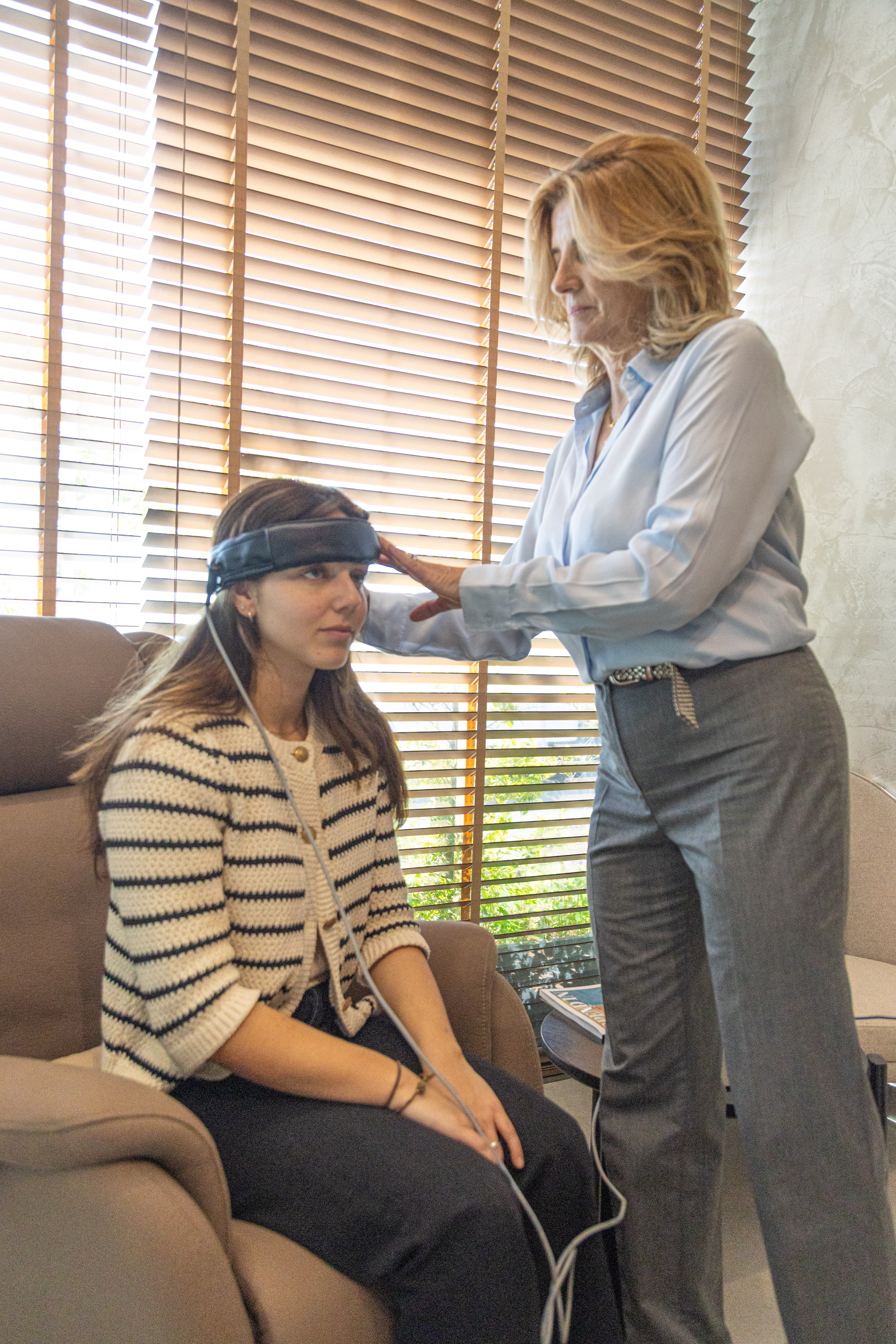
Biofeedback session with physiological signal monitoring; clinical practice context.

HRV and evidence

Systematic reviews (e.g. Lalanza et al., 143 studies) report positive effects of HRV biofeedback training across multiple conditions, with no adverse effects. The Studies & Certification page includes the evidence matrix by condition and evaluation bubbles (Strong, Moderate, Preliminary).

Deep dive: what HRV is and how training is positioned

Heart rate variability (HRV) reflects autonomic modulation between beats. Review articles mention metrics such as RMSSD or SDNN as examples; protocol, session length and population change reported outcomes.

Training with biofeedback uses HRV as a visible signal to learn regulation strategies. See also Stress physiology and Vagus nerve regulation; matrix by condition in Studies & Certification.

Metrics (for example RMSSD or SDNN) shift with breathing, posture and time of day; casual comparisons between people or days need caution.
Evidence matrix by condition

See Studies for the table and evaluation bubbles.

Selected references

Illustrative sources used for educational framing on this page.