Topic

Vagus Nerve Regulation

The vagus nerve is the main parasympathetic conductor. Vagal tone is linked to HRV and recovery capacity. Respiratory biofeedback training can improve vagal modulation.

Educational content only. This page does not diagnose, treat, or replace medical care.

View HRV and cardiovascular evidence
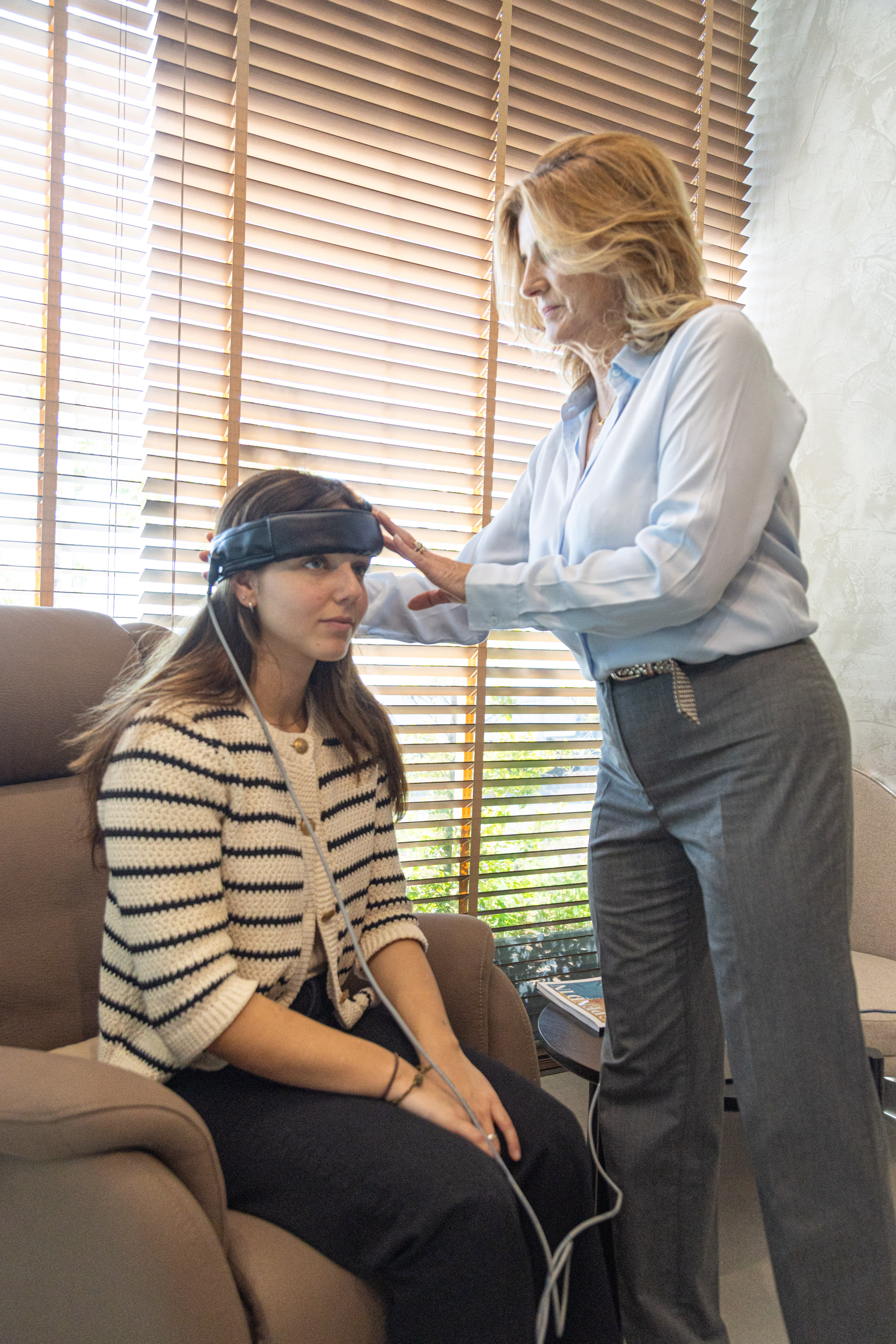
Biofeedback session with physiological signal monitoring; clinical practice context.

Vagal tone and health

Higher vagal tone is associated with better emotional regulation, reduced inflammation and more favourable cardiovascular prognosis. HRV biofeedback with slow-breathing (resonance) training is one intervention that acts on the vagal pathway. For evidence by condition, see Studies & Certification.

Deep dive: vagal tone and breathing (educational context)

The vagus nerve (X) integrates heart, breathing and digestion; in popular science writing, slow rhythmic breathing is often linked to greater parasympathetic activity or vagal tone, wording that varies across studies and populations.

This is general information, not a promise of individual outcomes. Read more in Heart rate variability training and Autonomic nervous system; evidence by condition in Studies & Certification.

Slow breathing exercises are often safe in an educational context; people with serious cardiac or respiratory disease should align any protocol with their treating physician.

Evidence matrix

See Studies for the table and evaluation bubbles.