Condition

Biofeedback for Anxiety

Multimodal biofeedback (HRV, GSR, EEG) shows moderate-to-strong evidence for reducing anxiety in research. Anxiety is one of the most frequently studied conditions.
Evidence and practice

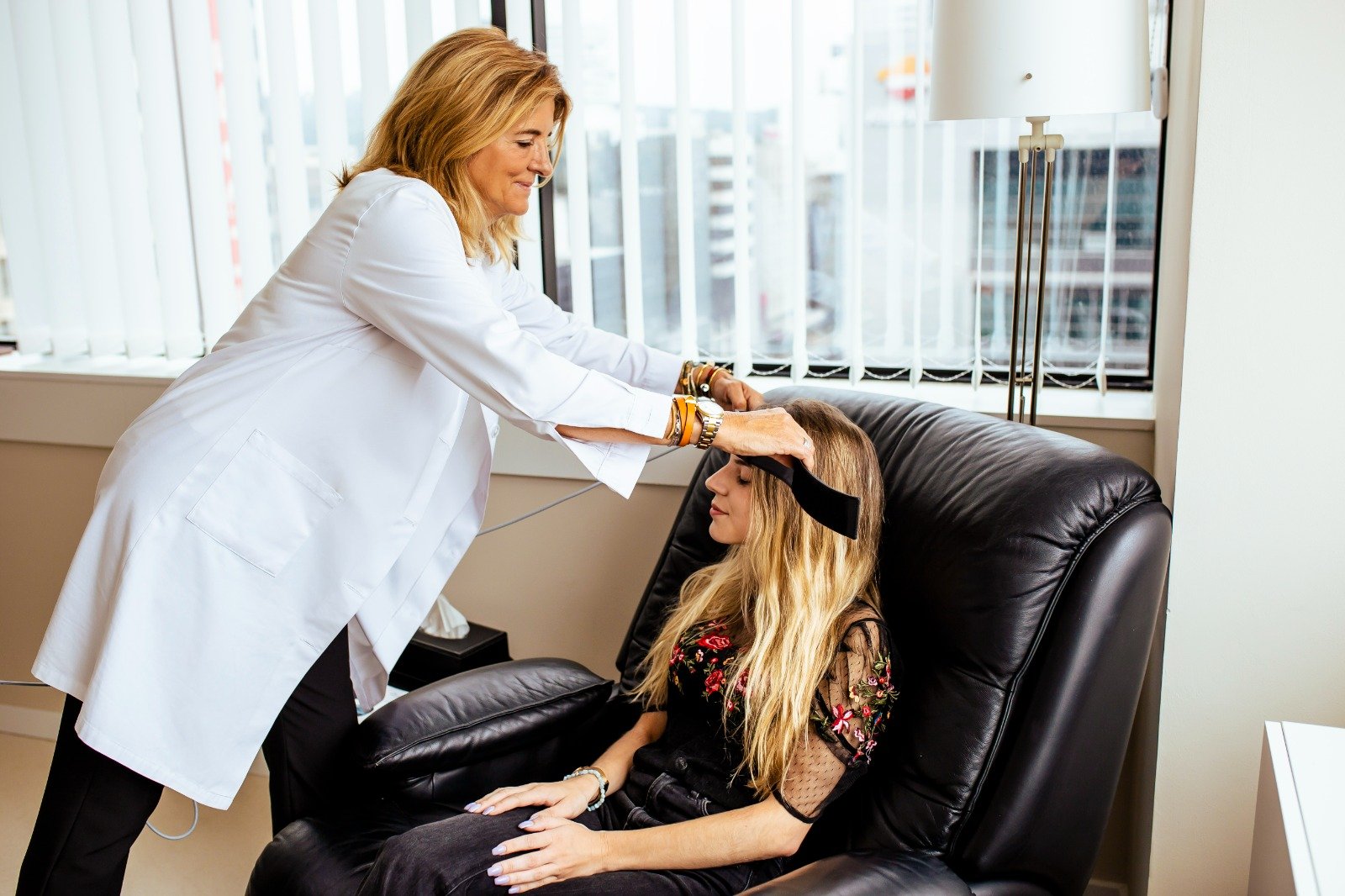
Calm clinical biofeedback session with neurofeedback headband.

In systematic reviews, biofeedback was statistically superior to waitlist. Multimodal biofeedback (HRV + GSR + EEG together) was more effective in some trials, suggesting broader physiological coverage may improve outcomes. Four-week trials reported improvements in anxiety, depression and sleep in several studies.

Certified therapists on this platform use equipment and protocols aligned with this evidence. See studies & certification for full references.

Frequently asked questions (health education)

General information; not individual medical advice.

In reviews and trials, approaches that include biofeedback (for example HRV, GSR and EEG in multimodal protocols) are often associated with reduced anxiety symptoms compared with waitlist or controls, with variation between people and studies. For mechanisms such as stress physiology and autonomic balance, see stress physiology, autonomic nervous system and HRV training.
The studies & certification matrix groups references and evidence levels. This page summarises educational context; it does not promise individual outcomes or replace your doctor.
No. It describes biofeedback as complementary therapy. If symptoms are new, severe or worrying, see a clinician. Common biofeedback contraindications include, among other situations, pacemaker, uncontrolled epilepsy or pregnancy, unless your doctor advises otherwise (see also FAQ).
The therapy hub links to other conditions (for example insomnia or stress). Professionals can explore training and equipment in the same platform ecosystem.