Topic

Neurofeedback vs Biofeedback

Biofeedback uses physiological signals (EMG, HRV, GSR, temperature). Neurofeedback uses brain activity (EEG). Both share the principle of real-time feedback; neurofeedback is a brain-focused subset.

View evidence by condition
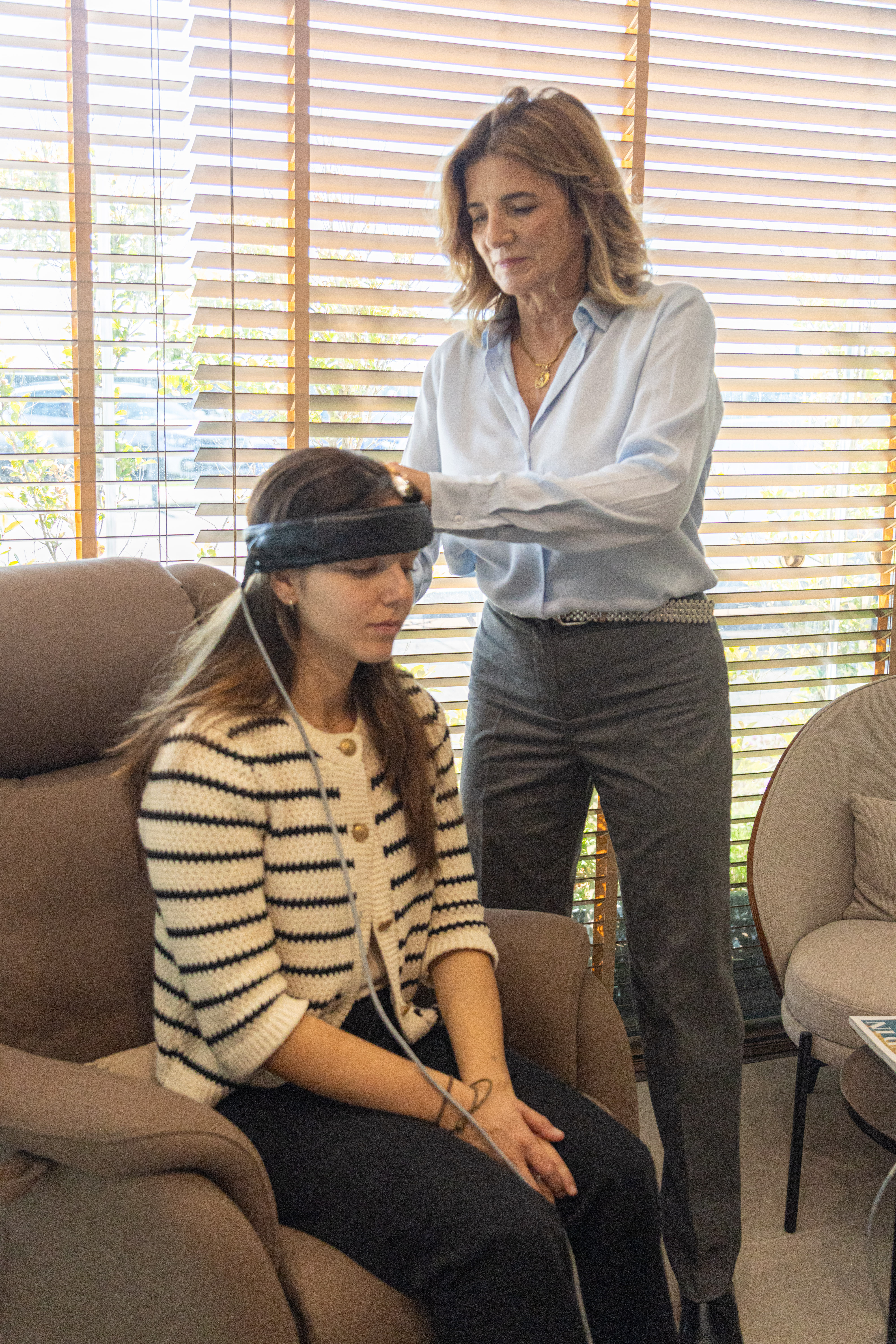
Biofeedback session with physiological signal monitoring; clinical practice context.

When to use each

Multimodal biofeedback (HRV + GSR + EEG) is often more effective than a single modality. The Studies & Certification page includes the evidence matrix and evaluation bubbles (Strong, Moderate, Preliminary) by condition, including conditions where neurofeedback or biofeedback have stronger evidence.

Neurofeedback vs biofeedback: quick comparison
Criteria Neurofeedback Biofeedback (broader)
Main signal focusEEG / brain activityHRV, GSR, EMG, temperature, optional EEG
Typical objectiveBrain regulation patternsAutonomic and psychophysiological regulation
Best framingSpecific protocol by indicationMultimodal protocol by indication
Deep dive: practical criteria to tell them apart and combine

Broadly, neurofeedback often focuses on EEG patterns and brain training; multichannel biofeedback may combine HRV, GSR, EMG and other channels in the same therapeutic ecosystem, depending on protocol and device.

The boundary is not rigid in clinical practice: indication, training and evidence matter. Also read Scientific basis of biofeedback and HRV training; evidence by condition in Studies & Certification.

If you are choosing between approaches, prefer a conversation with a trained clinician over label lists: the same device can host different channels depending on the training plan.
Evidence matrix

See Studies for the table and evaluation bubbles by condition.

Frequently asked questions

Short answers for decision clarity. Evidence by condition remains the final reference.

Neurofeedback is generally treated as a biofeedback subset focused on EEG activity. Biofeedback can also include HRV, GSR, EMG and other physiological channels.
It depends on indication, practitioner training and protocol quality. For condition-level evidence, review the studies matrix and related pages such as ADHD therapy.
Yes. Many professionals use multimodal workflows when clinically appropriate and when the training path supports it.