Condition

Biofeedback for Insomnia

HRV biofeedback shows positive effects on sleep disturbance and cognitive performance. Studies in anxiety and insomnia report significant sleep improvements.

Integrative wellbeing

  • Sleep and rest appear among applications described in integrative biofeedback and wellbeing approaches.
  • Sessions aim to support relaxation and physiological awareness; they do not replace medical care for diagnosed sleep disorders.

Complementary therapy. Not a substitute for medical diagnosis or treatment.
Evidence and practice

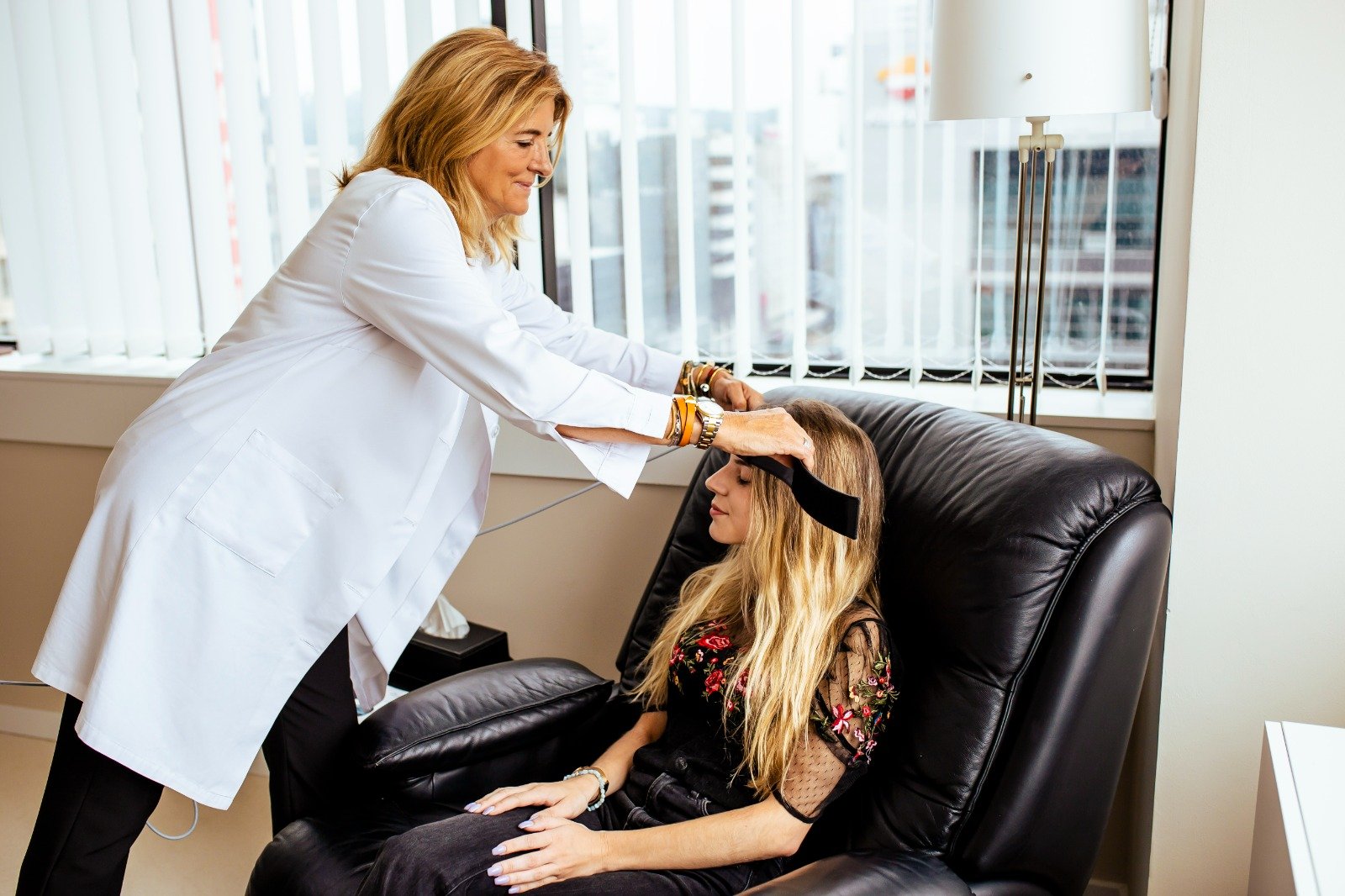
Biofeedback session with headband in a calm consultation environment.

The literature reports benefits of biofeedback and HRV for sleep quality and wellbeing. In one breast-cancer survivor cohort, HRV biofeedback showed sustained sleep-quality improvement at six months. Trials that include anxiety and insomnia also report improvements over several weeks in some studies.

See certified therapists and studies & certification for more detail.

Frequently asked questions (health education)

General information; not individual medical advice.

Studies include HRV biofeedback and biofeedback associated with subjective or objective sleep-related outcomes; responses vary. For background on autonomic regulation, see stress physiology and HRV training.
This page describes biofeedback in an educational context. Medically diagnosed sleep disorders need appropriate clinical care. See the studies matrix and your doctor for treatment decisions.
Yes, trials and reviews often overlap. The anxiety page summarises another focus; the therapy hub links related conditions.
Use therapists or booking. For training or equipment in the same ecosystem, training and equipment.